

TL;DR
Inclusive classroom tools for educational assistants help students with different learning styles stay engaged, organized, and supported. Visual aids, checklists, and sensory supports are practical tools that improve learning outcomes and classroom participation.
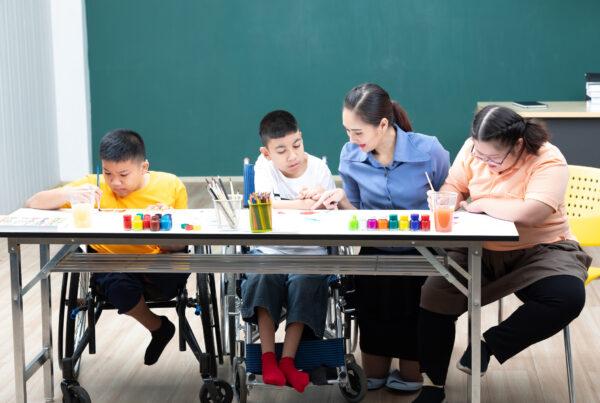
Every classroom includes students who learn, process, and respond differently. Some students benefit from visual structure, others need hands-on interaction, and some require sensory regulation to stay focused. For Educational Assistants, supporting these differences is not optional; it is central to the role.
Inclusive classroom tools for educational assistants provide practical ways to meet these needs in real time. When used effectively, these tools help create a structured, supportive environment where all students can participate meaningfully.
What Are Inclusive Classroom Tools for Educational Assistants?
Inclusive classroom tools are practical resources that help adapt instruction and support to meet diverse learning needs. These tools allow Educational Assistants to reinforce lessons in ways that are accessible, structured, and responsive.
In practice, inclusive classroom tools include visual schedules, graphic organizers, checklists, hands-on materials, and sensory supports. Each tool serves a specific purpose, whether it is improving comprehension, supporting organization, or helping a student regulate their focus.
Educational assistants learn to apply these tools through hands-on experience and structured educational assistant training, where real classroom scenarios are explored.
How Do Educational Assistants Support Different Learning Styles?
Students process information in different ways. Some are visual learners, others benefit from auditory instruction, and many respond best to kinesthetic or hands-on approaches.
Educational assistant classroom tools allow EAs to adjust how information is presented without changing the core lesson. For example, a student who struggles with verbal instructions may benefit from written or visual cues, while another may need repeated demonstrations or physical engagement with materials.
Supporting inclusive education in Alberta also requires observation. Educational assistants must recognize how a student responds and adjust support accordingly. This adaptability is a core skill developed through practical educational assistant courses.
Which Visual Aids Work Best for Students With Different Learning Needs?
Visual aids for diverse learners are among the most effective tools in inclusive classrooms. They provide clarity, reduce confusion, and help students process information at their own pace.
Common visual aids include schedules, step-by-step instruction charts, colour-coded materials, and graphic organizers. These tools break tasks into manageable steps and give students a clear reference point throughout the lesson.
Visual supports are especially helpful for students who benefit from predictable routines and structured guidance. They also reduce reliance on verbal repetition, allowing students to work more independently.

Visual aids and checklists improve organization and student independence
How Can Checklists Help Students Stay Organized in Class?
Checklists are one of the simplest yet most powerful tools for different learning styles. They provide structure and help students track progress through tasks.
For students who struggle with organization or memory, a checklist turns a complex assignment into a series of clear, achievable steps. It also reinforces independence by allowing students to monitor their own work rather than relying entirely on prompts from the teacher or EA.
Over time, consistent use of checklists can improve confidence and reduce anxiety around completing tasks. Educational assistants often use them to support both academic work and daily classroom routines.
What Sensory Supports Are Commonly Used in Classrooms?
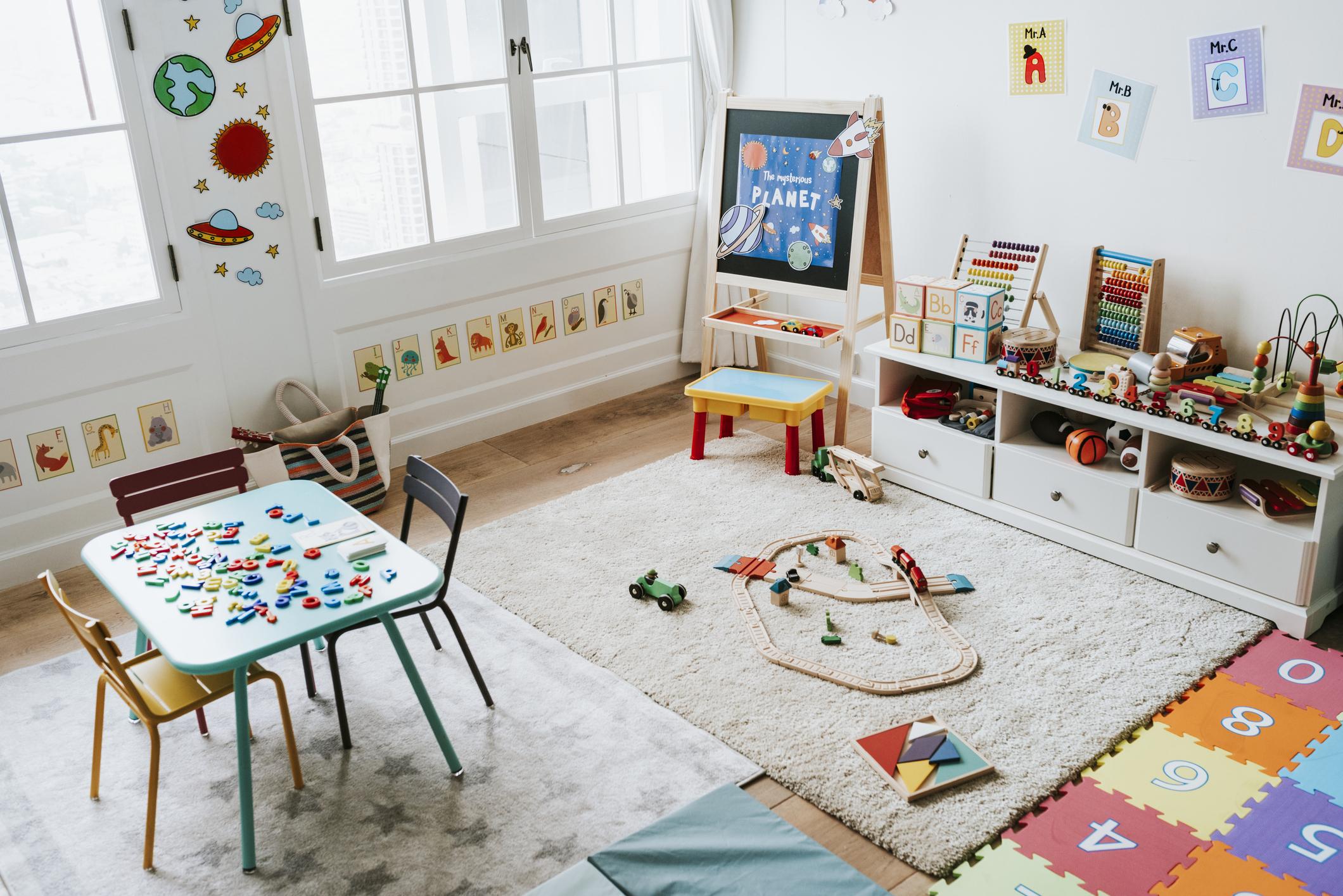
Sensory supports in the classroom help students regulate focus, energy levels, and emotional responses. These tools are particularly important for students who experience sensory processing challenges or difficulty maintaining attention.
Common supports include fidget tools, noise-reducing headphones, flexible seating options, and designated quiet spaces. These tools are not distractions when used correctly—they are supports that help students remain engaged and ready to learn.
Educational assistants play a key role in introducing and monitoring these supports to ensure they are used appropriately and effectively.
Reach that moment when a student who once struggled to stay engaged is now focused, confident, and actively participating, because the right tools are in place to support how they learn best.
Sensory supports in the classroom help students stay focused and regulated
Why Inclusive Tools Matter in Modern Classrooms
Inclusive classroom tools are not just helpful; they are essential. As classrooms become more diverse, the ability to adapt support strategies becomes increasingly important.
Educational assistants who understand how to use visual aids, checklists, and sensory supports contribute directly to better learning outcomes. These tools create consistency, reduce barriers, and allow students to engage with learning in ways that work for them. If you are looking to become an educational assistant, developing confidence with these tools is a critical step toward success in the classroom.
Are you ready to help students learn and process their own way?
Your career awaits!
Key Takeaways
- Inclusive classroom tools help support diverse learning styles
- Visual aids improve clarity and independence
- Checklists support organization and task completion
- Sensory tools help students regulate focus and engagement
- Educational assistants play a key role in applying these tools effectively
FAQ
What are inclusive classroom tools for educational assistants?
They are practical resources such as visual aids, checklists, and sensory supports used to help students with different learning needs succeed in the classroom.
How do educational assistants support different learning styles?
They adapt instruction using tools and strategies that match how each student processes and engages with information.
Which visual aids work best for students with different learning needs?
Schedules, graphic organizers, and step-by-step instruction charts are commonly used to support understanding and structure.
How can checklists help students stay organized in class?
Checklists break tasks into clear steps, helping students track progress and complete work more independently.
What sensory supports are commonly used in classrooms?
Fidget tools, flexible seating, quiet spaces, and noise-reducing headphones are commonly used to help students stay focused.