

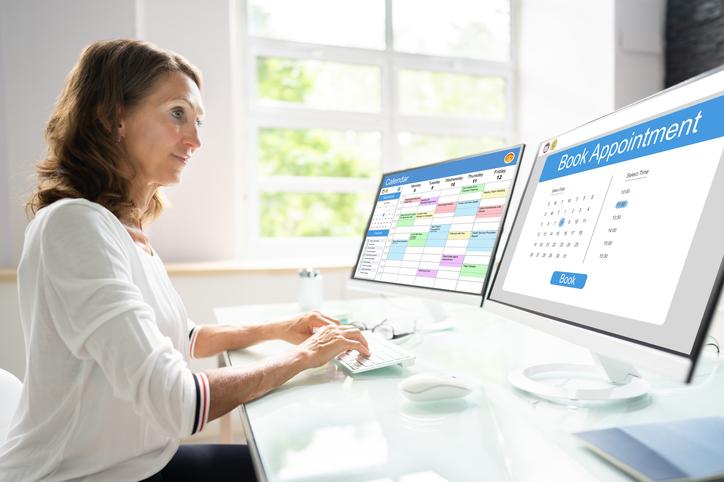

Appointment scheduling is a core responsibility of medical office assistants.
TL;DR
Appointment scheduling is one of the most important responsibilities of a Medical Office Assistant. Appointment scheduling tips for medical office assistants in this blog show that smart scheduling reduces patient wait times, limits no-shows, and keeps clinics running smoothly, even on busy days.
In a busy medical clinic, the schedule is more than a list of names and times. It’s the backbone of daily operations. For Medical Office Assistants, managing appointments means balancing patient needs, provider availability, and unexpected disruptions. Mastering appointment scheduling tips for medical office assistants is essential for maintaining workflow, reducing stress, and delivering a positive patient experience.
Scheduling errors can ripple throughout an entire day, leading to long waits, frustrated patients, and overworked staff. Effective appointment management, on the other hand, supports efficiency, communication, and trust within the clinic.
Why Appointment Scheduling Is a Core MOA Skill
Medical Office Assistants are often the first and last point of contact for patients. That makes scheduling both an administrative and interpersonal responsibility. Accurate booking ensures providers have the time they need while patients feel respected and informed.
From what we’ve seen in real clinic environments, strong medical office appointment scheduling skills often separate smooth, calm clinics from those that constantly feel behind.
What Are the Most Common Appointment Scheduling Mistakes in a Medical Office?
What are the most common appointment scheduling mistakes in a medical office? Common issues include booking the wrong appointment length, failing to confirm patient details, overlapping appointments without planning, and not accounting for provider-specific scheduling needs.
These mistakes usually happen when clinics are busy or communication breaks down. That’s why clear protocols and attention to detail are emphasized in medical office assistant training programs.

Electronic scheduling systems support efficient medical office appointment scheduling.
How Medical Office Assistants Can Reduce Patient No-Shows
How can medical office assistants reduce patient no-shows effectively? Reducing no-shows starts with clear communication. Confirming appointments, explaining preparation instructions, and using reminder systems are all part of appointment reminder best practices.
Text, email, or phone reminders sent at the right time help patients remember their commitments and reschedule if needed. From our experience, clinics that consistently confirm appointments see fewer gaps and smoother daily flow.
What to Do When a Patient Arrives Late or Misses an Appointment
What should you do when a patient arrives late or misses an appointment? Late arrivals require quick decision-making. MOAs must assess how much time remains, check provider availability, and communicate clearly with both patients and clinical staff.
When appointments are missed, documenting the absence and following the clinic policy is essential. Professional, respectful communication helps maintain patient relationships while protecting clinic operations.
Managing Double Bookings Without Disrupting Clinic Flow
How do you handle double booking without disrupting clinic flow? Sometimes double booking is unavoidable, especially for urgent visits. The key is planning. Understanding which appointment types can overlap and which cannot helps minimize disruption.
Effectively managing double bookings in a clinic involves coordination, communication, and realistic expectations. MOAs act as the bridge between providers and patients, adjusting schedules while keeping everyone informed.
What Information Should Always Be Confirmed When Booking Appointments?
What information should be confirmed when booking an appointment? Medical Office Assistants should confirm patient identity, contact details, appointment reason, provider preference, and any preparation requirements. This reduces confusion and prevents scheduling errors.
Strong clinic calendar management relies on accuracy at the time of booking, not last-minute corrections.

Strong clinic calendar management helps reduce delays and patient frustration.
How Training Prepares MOAs for Scheduling Responsibilities
Scheduling is developed through structured practice. Programs that prepare students for the medical office assistant role emphasize real-world scheduling scenarios, time management, and communication skills. Graduates of a medical office assistant diploma program enter clinics with a clear understanding of how scheduling affects patient care and clinic efficiency.
Why Smart Scheduling Improves Patient Experience
Patients notice when clinics run on time. Efficient scheduling reduces wait times, improves communication, and builds trust. For MOAs, scheduling is a form of patient care. Reach that moment when your appointment management skills contribute directly to smoother clinic operations and better healthcare experiences.
Are you ready to pursue a career as a Medical Office Assistant?
Your Career Starts Here!
Key Takeaways
- Appointment scheduling is a core MOA responsibility
- Reducing no-shows improves clinic efficiency
- Clear communication prevents scheduling errors
- Strong scheduling skills support patient satisfaction
FAQ: Appointment Scheduling for Medical Office Assistants
What are the most common appointment scheduling mistakes in a medical office?
Incorrect booking lengths, missed confirmations, and poor communication.
How can medical office assistants reduce patient no-shows?
By using consistent appointment reminders and clear instructions.
What should you do when a patient arrives late or misses an appointment?
Follow clinic policy, communicate clearly, and document appropriately.
How do you handle double booking without disrupting clinic flow?
By planning overlaps carefully and coordinating with providers.
What information should be confirmed when booking an appointment?
Patient details, appointment type, provider, and preparation instructions.