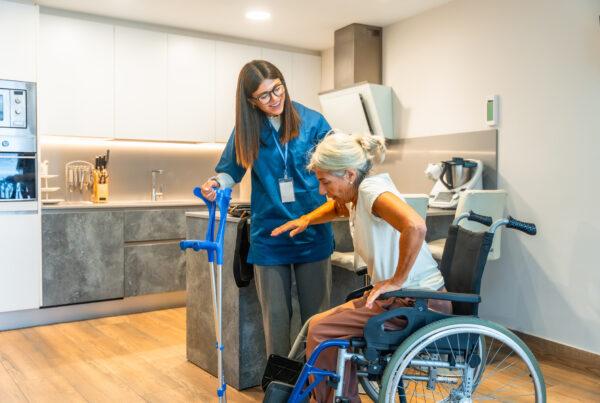



Medical office assistants are often the first point of contact in the patient journey
TL;DR
Medical Office Assistants (MOA) play a central role in guiding patients through every stage of care, from initial contact to follow-up. Their organizational, communication, and administrative skills help clinics run smoothly and ensure patients feel supported throughout their healthcare experience.
Every healthcare experience follows a journey, beginning long before a patient ever sees a provider. The first phone call, appointment booking, and check-in all shape how patients feel about their care. At the center of this process is the medical office assistant, a role that quietly but consistently supports patients at every stage of their experience.
Medical office assistants bridge the gap between patients and healthcare providers. They ensure information flows smoothly, schedules stay organized, and patients feel supported rather than overwhelmed. This article explores how medical office assistants guide the patient journey from start to finish and why their role is essential to both patient satisfaction and clinic efficiency.
What Is the Role of a Medical Office Assistant in the Patient Journey?
A medical office assistant manages the administrative and communication tasks that keep healthcare environments running smoothly. While providers focus on diagnosis and treatment, medical office assistants ensure the systems supporting that care are functioning properly.
In real clinic environments, we’ve seen how this role directly affects patient experience. From greeting patients and verifying information to managing records and coordinating care, medical office assistants provide structure and reassurance throughout the visit. According to the Government of Canada’s Job Bank, this role is critical to maintaining efficiency in medical offices and outpatient clinics.
How Do Medical Office Assistants Support Patients from First Contact to Follow-Up?
The patient journey often begins with an inquiry, by phone, email, or online booking. Medical office assistants manage these interactions, provide information, and schedule appointments. This first point of contact sets expectations and builds trust.
During appointments, a medical office assistant handles check-ins, updates electronic medical records, and ensures providers have accurate information. After the visit, they coordinate follow-ups, referrals, billing questions, and test results. In practice, we’ve seen that consistent follow-up improves attendance, reduces confusion, and helps patients feel cared for beyond the exam room.
Why Are Medical Office Assistants Important to Clinic Operations and Patient Care?
Without medical office assistants, clinics would struggle to function efficiently. Providers would be pulled away from patient care to manage administrative tasks, leading to longer wait times and increased stress.
In Canada, as in many other parts of the world, patient-centred care is a key healthcare principle. Medical office assistants support this approach by ensuring patients are informed, respected, and guided at every step. Their work helps reduce errors, improve communication, and maintain continuity of care, factors that directly impact patient outcomes.

Accurate record management supports continuity of patient care
How Medical Office Assistant Training Prepares Students for the Patient Journey
Professional medical office assistant training focuses on both technical knowledge and interpersonal skills. Students learn medical terminology, electronic health record systems, scheduling software, billing procedures, and privacy regulations.
Equally important are communication and organizational skills. In real-world clinics, we’ve seen how calm, clear communication reduces patient anxiety and prevents administrative mistakes. Reach that moment when you master how to handle high volumes of patients while maintaining professionalism and empathy.

Follow-up coordination is a key responsibility of medical office assistants
Why Medical Office Assistants Shape Patient Experience and Trust
Patients often interact with medical office assistants more frequently than with providers. These interactions shape how patients perceive the quality of care they receive.
A well-trained medical office assistant helps patients feel prepared, informed, and supported. For those considering healthcare careers, earning a medical office assistant diploma offers a path into a role that combines organization, communication, and meaningful patient interaction.
Are you ready to assist patients on the road to recovery?
Your career awaits!
Key Takeaways
- Medical office assistants support patients at every stage of care
- They manage first contact, in-clinic coordination, and follow-up
- Their role improves clinic efficiency and patient satisfaction
- Training programs prepare students for both administrative and patient-facing responsibilities
FAQ: Medical Office Assistants and the Patient Journey
Q: What is the role of a medical office assistant in the patient journey?
A: A medical office assistant manages the administrative and communication tasks that keep healthcare environments running smoothly.
Q: How do medical office assistants support patients from first contact to follow-up?
A: The patient journey often begins with an inquiry, by phone, email, or online booking. Medical office assistants manage these interactions, provide information, and schedule appointments.
Q: Why are medical office assistants important to clinic operations and patient care?
A: Without medical office assistants, clinics would struggle to function efficiently. Providers would be pulled away from patient care to manage administrative tasks, leading to longer wait times and increased stress.