

Choosing health care aide training opens the door to a career that touches lives in profound and lasting ways. The role of the Health Care Aide (HCA) continues to expand as healthcare settings evolve, and today’s training prepares students for responsibilities that reach far beyond physical support. With a Health Care Aide Diploma, you’ll step into a profession defined by compassion, observation, communication, and teamwork.
As Alberta’s population ages and care needs shift, HCAs have become essential contributors within hospitals, continuing care facilities, assisted living environments, and home-care programs. This is meaningful work that shapes the daily experiences, comfort, and dignity of the people you serve.
Below are five key areas where HCAs are creating a deeper impact than ever before.
1. Delivering Consistent, Person-Centered Care
HCAs work closely with clients every day, developing a detailed understanding of their routines, preferences, and comfort needs. This level of connection helps ensure that care is not only safe but also respectful and personalized.
Person-centered care includes:
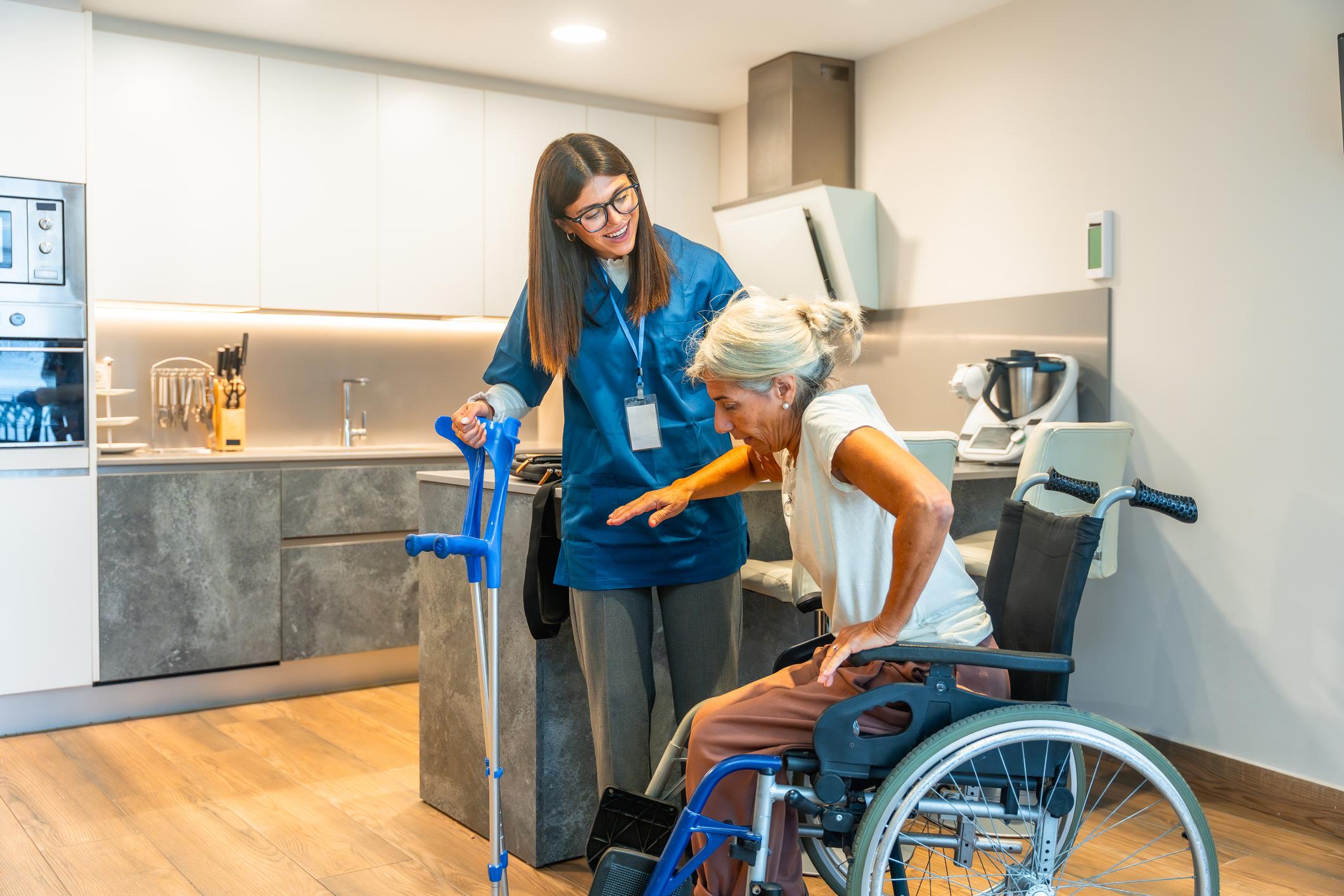
- Providing support with hygiene, dressing, and mobility
- Ensuring meals and nutrition plans are followed
- Creating moments of reassurance during challenging times
Reach that moment when a client begins to trust you fully, when they look to you not just for help, but for comfort, connection, and confidence. That moment reflects the deeper, human side of this expanding profession.
2. Supporting Emotional and Social Well-Being
Emotional support now plays a significant role in HCA work. Many clients experience loneliness, frustration, or anxiety, especially during health transitions.
HCAs help clients stay grounded by:
- Offering companionship
- Encouraging conversation
- Supporting engagement in meaningful activities
- Creating a calm presence during emotional distress
Small gestures often create lasting impact.
3. Advocating for Clients’ Health and Safety
HCAs are trained to notice early signs of physical, cognitive, or emotional changes. These observations help nurses and supervisors make informed decisions and adjust care plans when needed.
Advocacy may include:
- Reporting sudden behaviour changes
- Communicating concerns from clients or families
- Helping clients understand their options
- Ensuring safety procedures are followed at all times
This makes the HCA a vital link between clients and the broader healthcare team.

Health care aide training highlights that the HCA is a part of a bigger healthcare team
4. Strengthening Teamwork Across Care Environments
Modern healthcare emphasizes collaboration. HCAs communicate daily with nurses, therapists, physicians, and support staff to ensure continuity and quality of care.
During your health care aide training, you learn how to:
- Document observations accurately
- Use professional communication techniques
- Understand the scope of practice
- Follow protocols that maintain client safety
Your role becomes an essential part of a coordinated care system.
5. Contributing to Specialized and Diverse Care Settings
Beyond long-term care, HCAs now support clients across a variety of environments, including:
- Hospitals
- Community-based care
- Rehabilitation programs
- Hospice and palliative care
- Home-care services
The flexibility of the role and the demand across Alberta give graduates more career options than ever.
A Career With Emotional Meaning and Professional Growth
With a Health Care Aide Diploma, you gain the confidence to support clients through both routine and complex needs. You become part of a profession that values empathy, communication, and steady support.
HCAs are the heart of many care teams. Their presence improves client comfort, strengthens family trust, and supports the overall wellness of the communities they serve.

With a Health Care Aide Diploma, you gain the confidence to support clients
Start Your Career in Alberta with Health Care Aide Training at AOLCC
If you’re ready to build a meaningful health care aide career in Alberta, AOLCC’s comprehensive training gives you the skills and confidence to support clients with compassion and professionalism.
You’ll learn from experienced instructors, gain hands-on experience, and prepare for roles where you can make a real difference every day. This is your first step toward creating comfort, safety, and dignity in the lives of the people who depend on you.
Are you ready to make a real impact on people’s lives?
Your career awaits!