
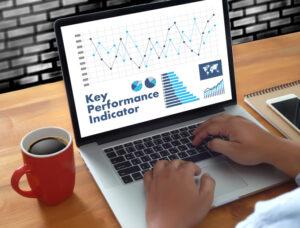
KPI dashboards help new managers monitor performance in real time.
TL;DR
Data-driven decision making allows new managers to lead with measurable insight rather than assumptions. By understanding KPIs, dashboards, and performance reports, business management graduates can make informed decisions that improve efficiency, accountability, and long-term results.
Management today demands more than confidence. It demands evidence. Organizations expect managers to justify decisions with performance metrics, interpret trends accurately, and respond strategically to measurable outcomes. Instinct still has a place in leadership, but it is no longer enough on its own.
For business management graduates entering leadership roles, mastering data-driven decision-making is one of the fastest ways to establish credibility. When you can explain why a strategy works, using numbers, trends, and performance indicators, you move from reactive problem-solving to proactive leadership.
What Is Data-Driven Decision Making in Management?
Data-driven decision-making in business management is the practice of using measurable performance data to guide leadership choices. Instead of relying solely on experience or subjective judgment, managers analyze key metrics that reflect operational reality.
This may include financial performance, productivity levels, customer retention rates, project timelines, or sales growth. The difference lies in intentionality. Rather than asking, “What do I think is happening?” effective managers ask, “What does the data confirm?”
For business management graduates, this shift represents a professional turning point. Decisions supported by clear metrics reduce risk, increase transparency, and strengthen accountability across teams.
Which Key Performance Indicators Should New Managers Track First?
One of the most common questions new managers face is which KPIs deserve immediate attention. The answer depends on the organization’s priorities, but strong leadership begins with alignment.
Revenue growth and profit margins provide insight into financial health. Employee productivity measures operational efficiency. Customer retention reflects service quality and long-term stability. Project completion timelines reveal workflow effectiveness.
The mistake many new managers make is tracking too many metrics. Data overload can dilute focus. Instead, prioritize indicators that directly reflect your department’s strategic objectives. KPIs should clarify performance, not complicate it.
After structured business management courses, graduates are often trained to evaluate metrics through a strategic lens. The goal is not to track everything, but to track what matters.

Reports allow business management graduates to analyze trends and support strategic planning.
How Do You Choose the Right KPIs After Business Management Training?
Choosing the right KPIs begins with clarity. Before selecting metrics, define the outcome you are trying to achieve.
If the objective is to improve operational efficiency, productivity, and turnaround time, these may be critical. If growth is the focus, revenue per customer or acquisition rates might be more relevant. Effective KPIs are specific, measurable, and directly tied to actionable outcomes.
Strong data-driven decision-making for managers requires discipline. Each metric should answer a practical question about performance. If it does not inform strategy or action, it may not deserve attention.
Reach that moment when your leadership decisions are grounded in measurable outcomes rather than uncertainty, when you can clearly explain not only what you are doing, but why the data supports it.
What’s the Difference Between a Dashboard and a Report?
A dashboard provides real-time visual performance monitoring, while a report offers detailed analysis and contextual explanation. Understanding the difference between a dashboard and a report is essential for applying data effectively.
A dashboard provides a real-time or frequently updated visual overview of key metrics. It is designed for monitoring performance quickly and identifying trends at a glance. Managers use dashboards to stay informed and responsive.
A report, by contrast, offers a detailed analysis. It typically includes context, narrative explanation, and a deeper examination of results over a defined period. Reports are used for strategic reviews, stakeholder communication, and performance evaluation.
Both tools support data-driven decision-making in business management, but they serve different purposes. Dashboards monitor. Reports explain. Knowing when to use each strengthens managerial effectiveness. Structured business management training reinforces analytical thinking and organizational skills needed for both.

Understanding dashboards vs reports strengthens data-driven decision-making for managers.
Why Data Literacy Matters for Business Management Graduates
Completing a business management diploma provides foundational knowledge in leadership, operations, and finance. However, applying data confidently is what distinguishes effective managers from average ones.
Graduates of business management diploma programs in Alberta develop the ability to interpret financial statements, evaluate performance indicators, and align operational data with strategic goals.
Data literacy transforms management from reactive oversight to proactive leadership. It strengthens communication with executives, improves team accountability, and supports long-term growth. Professional organizations such as CPA Canada emphasize the importance of financial literacy and performance measurement in effective management.
Ready to Lead with Confidence and Clarity?
Modern leadership requires more than decisiveness. It requires measurable justification.
If you are ready to apply practical management skills rooted in data, structured business management training at AOLCC can prepare you to interpret KPIs, leverage dashboards, and communicate insights effectively.
Are you ready to lead with evidence instead of assumptions?
Your career awaits.
Key Takeaways
- Data-driven decision making replaces assumptions with measurable insight
- New managers should align KPIs with strategic objectives
- Dashboards monitor performance in real time
- Reports provide deeper contextual analysis
- Data literacy strengthens leadership credibility and long-term results
FAQ
Which key performance indicators should new managers track first?
One of the most common questions new managers face is which KPIs deserve immediate attention. The answer depends on the organization’s priorities, but strong leadership begins with alignment.
How do you choose the right KPIs after business management training?
Choosing the right KPIs begins with clarity. Before selecting metrics, define the outcome you are trying to achieve.
What’s the difference between a dashboard and a report?
A dashboard provides real-time visual performance monitoring, while a report offers detailed analysis and contextual explanation.
What is data-driven decision-making in management?
It is the practice of using measurable performance data and KPIs to guide managerial decisions rather than relying solely on intuition.