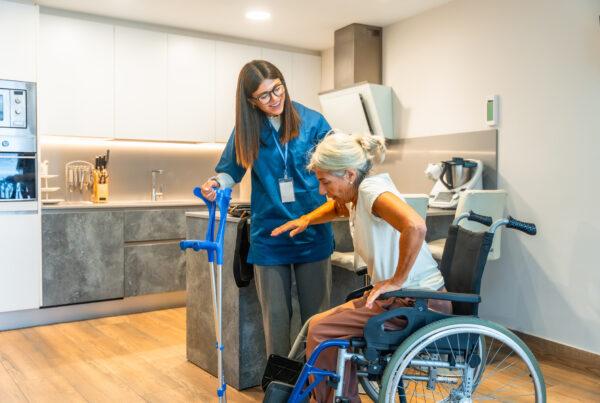



Infection control is one of the most fundamental responsibilities of a Health Care Aide. In hospitals, long-term care homes, and community settings, HCAs work closely with individuals who may be elderly, immunocompromised, or recovering from illness. Small actions, when done consistently, can make a life-saving difference. That is why infection prevention is emphasized early and often in health care aide training.
For Health Care Aides, infection control is not just a checklist. It is a daily mindset built around awareness, responsibility, and compassion.
Hand Hygiene: The First Line of Defense
Proper hand hygiene is the most effective way to prevent the spread of infection. Health Care Aides must wash or sanitize their hands before and after every client interaction, after removing gloves, and after contact with bodily fluids or contaminated surfaces.
Hand hygiene protects both the client and the caregiver. It reduces the transmission of bacteria, viruses, and fungi that can cause serious complications in vulnerable populations. Training reinforces when and how to wash hands correctly and why shortcuts are never acceptable.
Personal Protective Equipment (PPE)
Personal protective equipment, including gloves, masks, gowns, and eye protection, creates a barrier between the aide and potential pathogens. Knowing when to use PPE, how to put it on correctly, and how to remove it safely is essential.
Health Care Aides are trained to assess risk before each task. Reach that moment when you understand that PPE is not about fear, it is about respect for client safety and professional accountability.
Incorrect use of PPE can be just as dangerous as not using it at all, which is why repetition and supervision are critical during training.

In a health care aide diploma program, students learn how to communicate concerns
Cleaning, Disinfection, and Environmental Safety
Infection control extends beyond direct client care. HCAs are responsible for maintaining clean environments, including disinfecting equipment, mobility aids, and frequently touched surfaces.
Pathogens can survive on surfaces for extended periods. Regular cleaning routines reduce the risk of cross-contamination and outbreaks. Health Care Aides follow established protocols for disinfectants, contact times, and waste disposal to ensure safety standards are met consistently.
Safe Handling of Linen and Waste
Used linens, clothing, and waste materials can carry infectious agents. Health Care Aides must handle these items carefully to avoid exposure. This includes using designated bags, avoiding shaking linens, and following proper disposal procedures.
Health care aide training programs emphasize that these tasks, while routine, are critical to infection prevention. Attention to detail protects not only the current client but everyone in the care environment.

For those pursuing a health care aide career in Alberta, mastering infection control is key
Recognizing and Reporting Risks
Health Care Aides are often the first to notice signs of infection, such as fever, redness, swelling, or changes in behavior. Prompt reporting ensures early intervention and helps prevent spread.
In a health care aide diploma program, students learn to observe, document accurately, and communicate concerns to supervisors or nursing staff. Infection control is a team effort, and HCAs play a vital role in that chain.
Why Infection Control Training Matters
Infection prevention is not optional. It is a core professional standard. Employers rely on well-trained Health Care Aides to follow protocols consistently, even during busy or stressful shifts.
A strong foundation in infection control prepares HCAs for long-term success in healthcare environments. It also builds confidence, professionalism, and trust with clients and colleagues alike.
Building a Safe and Meaningful Career
Practicing infection control is one of the most impactful ways Health Care Aides protect those in their care. With proper education and hands-on experience, HCAs enter the workforce prepared to meet these responsibilities with confidence.
For those pursuing a health care aide career, mastering infection control is not just a requirement; it is a commitment to safety, dignity, and quality care.
Ready to help enhance safety and quality care?
Your career awaits!