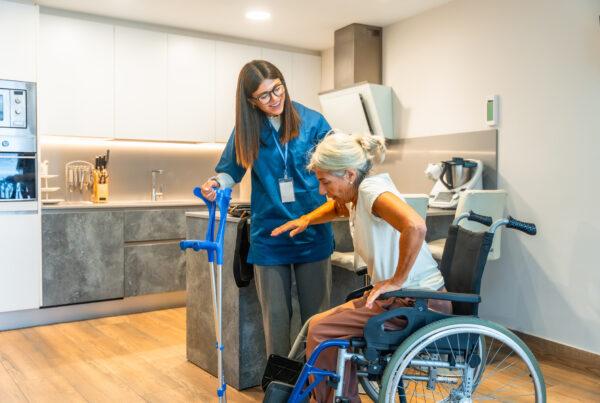



In every care environment, there are moments when families receive news they never wanted to hear. A change in condition. A new diagnosis. A decline that no one was ready for. For many who pursue health care aide training, supporting families through emotional conversations is one of the most meaningful, human aspects of the role. While nurses and physicians often deliver the clinical details, it is the Health Care Aide who stays behind, offering comfort, clarity, and the steady reassurance families desperately need.
Families place extraordinary trust in these caregivers, knowing that they will show kindness when the world feels overwhelming. It is a responsibility HCAs carry with quiet strength, compassion, and dignity. If you’ve ever wondered whether you are called to this work, these moments often define the heart of a health care aide diploma program and the calling of those who join the profession.
Becoming a Calming Presence in Times of Uncertainty
Families often experience fear, confusion, or grief when receiving difficult updates. Health Care Aides provide stability simply by being present. A calm tone, steady posture, and patient listening can help families ground themselves when emotions rise.
HCAs learn to:
- Offer gentle reassurance without making promises
- Allow silence without rushing to fill it
- Read emotional cues and respond with empathy
- Maintain a warm, compassionate presence
These are not just skills; they are acts of service that families remember long after the moment has passed. Reach that moment when your presence alone brings families the comfort they need most.
Listening Fully Before Speaking
During difficult conversations, families need to feel heard. They may ask the same question more than once, express frustration, or try to make sense of complex feelings. HCAs who master this skill during their health care aide training listen deeply and give families space to process without judgment.
A strong listener:
- Avoids interrupting
- Validates feelings (“It’s understandable to feel this way.”)
- Reflects what they hear to confirm understanding
- Recognizes when emotions, not information, are driving the moment
Listening is often more comforting than any scripted response.

During health care aide training, HCAs learn to listen deeply and give families space to process
Communicating Clearly, Gently, and Honestly
Health Care Aides do not diagnose or deliver medical decisions. However, they play an essential role in helping families understand daily care, routines, or what to expect as symptoms change.
With guidance from nurses and care teams during their health care aide diploma program, HCAs learn how to:
- Explain care tasks in simple, respectful language
- Avoid medical jargon that may confuse or frighten families
- Reassure families about the comfort measures being taken
- Direct difficult medical questions to the appropriate professional
Clarity delivered with warmth helps families feel safer, even in painful moments.
Supporting Families Through the Practical Side of Care
Emotional support is only part of the HCA’s role. Families often feel overwhelmed by the day-to-day realities of caring for a loved one. HCAs help by demonstrating routines, offering practical tips, and showing compassion through action.
This may include:
- Helping families understand mobility techniques
- Demonstrating safe personal care practices
- Providing reassurance about comfort strategies
- Guiding them through visiting routines or facility processes
These small touches give families confidence and reduce stress.

Pursuing a health care aide career means stepping into a profession defined by kindness
Discover Why This Work Matters During Your Health Care Aide Training
Every difficult moment becomes easier when families know they are not facing it alone. Those who pursue a health care aide career step into a profession defined not just by tasks but by humanity, kindness, and presence.
AOLCC’s health care aide training prepares students for these deeply meaningful responsibilities. Through hands-on practice, communication training, and mentorship, students learn how to support both patients and families with dignity, compassion, and professional strength.
If you feel called to be the calm voice, the steady hand, and the compassionate presence families can rely on, a career as a Health Care Aide may be the path where your empathy becomes your greatest skill.
Are you ready to become a source of comfort to families?
Your career awaits!