

Telehealth isn’t a side project in clinics anymore; it’s becoming part of the daily workflow. Your medical office assistant training should reflect that from day one. In a typical virtual visit, the MOA verifies identity in the portal, reviews e-forms, updates the EHR, launches the video link, troubleshoots audio/video, confirms pharmacy details, and routes follow-ups, often in under five minutes.
This article shows why telehealth fluency now sits alongside scheduling, billing, and patient service. You’ll see the core skills clinics expect (EHR navigation, virtual-visit flow, privacy compliance, basic tech support, and clear digital communication) and how an MOA diploma builds them for modern practice. First, here’s why telehealth skills are essential in today’s clinics.
Why Telehealth Matters in Modern Healthcare
Telehealth has transformed the way patients and healthcare providers interact. It offers convenience, accessibility, and safety, especially for individuals in rural areas or those with mobility challenges. Patients can now meet with their doctor without leaving home, and clinics can reduce wait times by handling routine consultations online.
For MOAs, this change means more responsibilities in coordinating virtual visits, assisting with technology, and supporting patients before, during, and after their appointments. By building telehealth skills during your medical office assistant training, you’ll be prepared to step in with confidence.
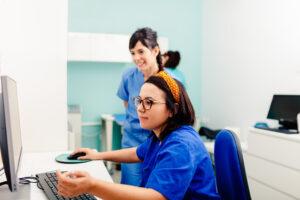
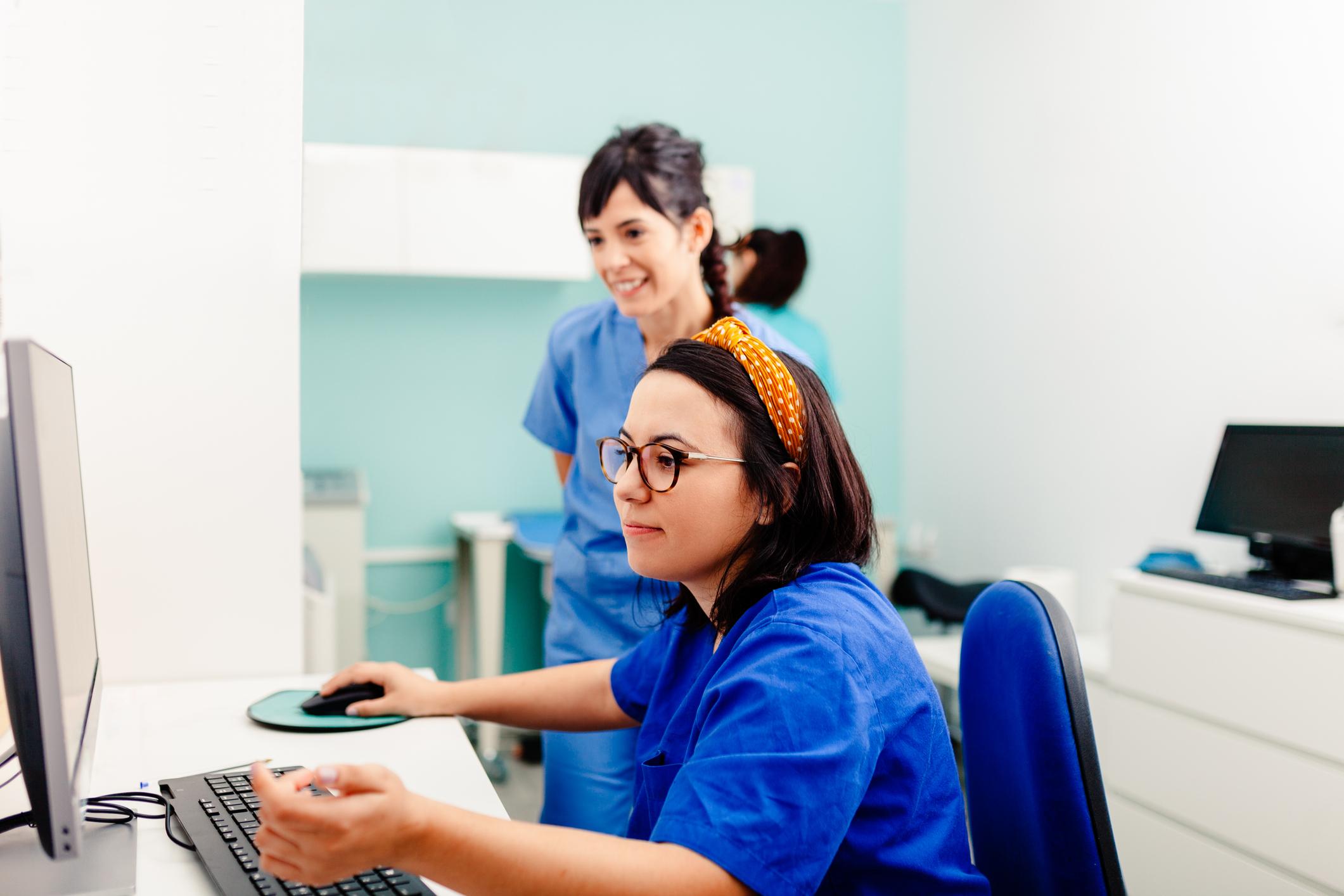
Medical office assistant training covers administrative and digital skills
Key Telehealth Skills for Medical Office Assistants
To succeed in today’s healthcare environment, Medical Office Assistants need to be comfortable with both administrative and digital tools. Here are a few of the most important telehealth-related skills:
- Electronic Health Records (EHR) Management: Keeping patient records organized and up to date is essential in telehealth. MOAs ensure doctors have access to accurate information before every appointment.
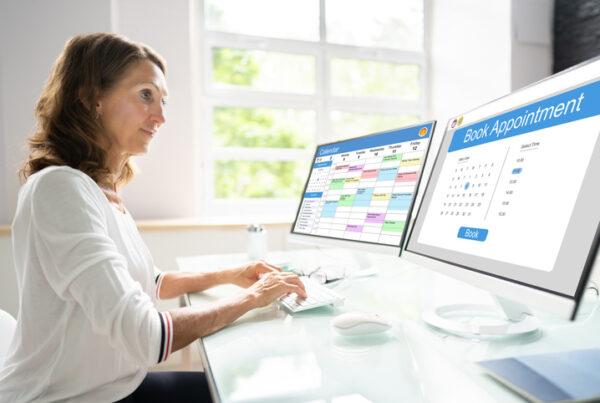
- Virtual Appointment Coordination: From scheduling to troubleshooting technical issues, MOAs help patients and providers connect seamlessly online.
- Digital Communication: Whether through secure email, patient portals, or video platforms, MOAs guide patients on how to use digital tools confidently.
- Confidentiality and Security Awareness: Telehealth requires extra attention to privacy laws and the secure handling of sensitive health information.
These skills are covered in our medical office assistant diploma program, giving graduates the confidence to adapt quickly in real-world healthcare settings.

Students in medical office assistant training learn how to manage virtual appointments
How Medical Office Assistant Training Prepares You for Success
A quality MOA program doesn’t just teach the basics of office administration. It also introduces the digital tools and processes that are shaping healthcare today. Students in medical office assistant training learn how to work with electronic health records, manage virtual appointments, and provide excellent patient service in a digital environment.
Reach that moment when you can help a patient feel comfortable navigating their first online appointment, knowing your training gave you the skills to guide them with patience and professionalism. This is the kind of impact that well-prepared MOAs make in today’s clinics.
Career Benefits of Telehealth Skills
Telehealth isn’t the future of healthcare; it’s the present. Clinics and patients depend on skilled Medical Office Assistants to keep digital systems running smoothly and to make virtual care accessible for everyone.
Building telehealth expertise makes you more competitive in the job market. Employers increasingly seek graduates who are confident with digital healthcare systems. By completing a medical office assistant diploma, you’ll show that you’re prepared for both traditional front desk tasks and modern telehealth responsibilities. If you’re ready to start a rewarding medical office assistant career, now is the time to build the skills that will set you apart. Enroll in our program and prepare to thrive in a healthcare world where technology and patient care go hand in hand.
Are you ready to future-proof your skills?
Your career awaits!